Huawei chose Munich to unveil the WATCH GT 7 Series alongside a full flagship lineup, and the range reaches South African retailers today. Beneath the spec sheet sits a clearer story about how this country now trains, plays and spends.
Huawei went wild in Munich
Huawei took over the SHOWPALAST at Messe München on 2 September for a global launch it called Chase the Wild. The name was not decoration. Almost every product on that stage followed one idea: technology that travels outdoors with you rather than technology that keeps you at a desk.
Huawei went wild in Munich
Huawei took over the SHOWPALAST at Messe München on 2 September for a global launch it called Chase the Wild. The name was not decoration. Almost every product on that stage followed one idea: technology that travels outdoors with you rather than technology that keeps you at a desk.
The lineup stretched well beyond one watch
The HUAWEI WATCH GT 7 Series led the announcement. Alongside it, Huawei showed:
- HUAWEI WATCH 6, returning to Europe after a year away
- HUAWEI WATCH D3, the medical grade blood pressure wearable
- HUAWEI MatePad Pro 12 inch tablet
- HUAWEI FreeBuds Neo Series
- HUAWEI nova 16s smartphone range
Even so, the wrist clearly held the company’s attention.
South Africa gets it now, not later
For local readers, none of this sits at a distance. The GT 7 Series went live on the Huawei Online Store on 3 September, and from today it reaches retailers across the country.
What the Huawei WATCH GT 7 actually offers
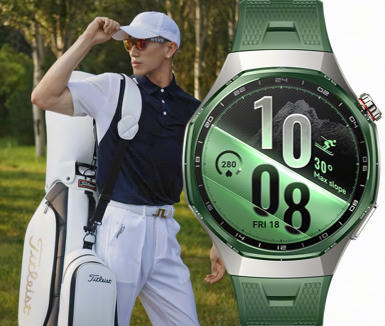
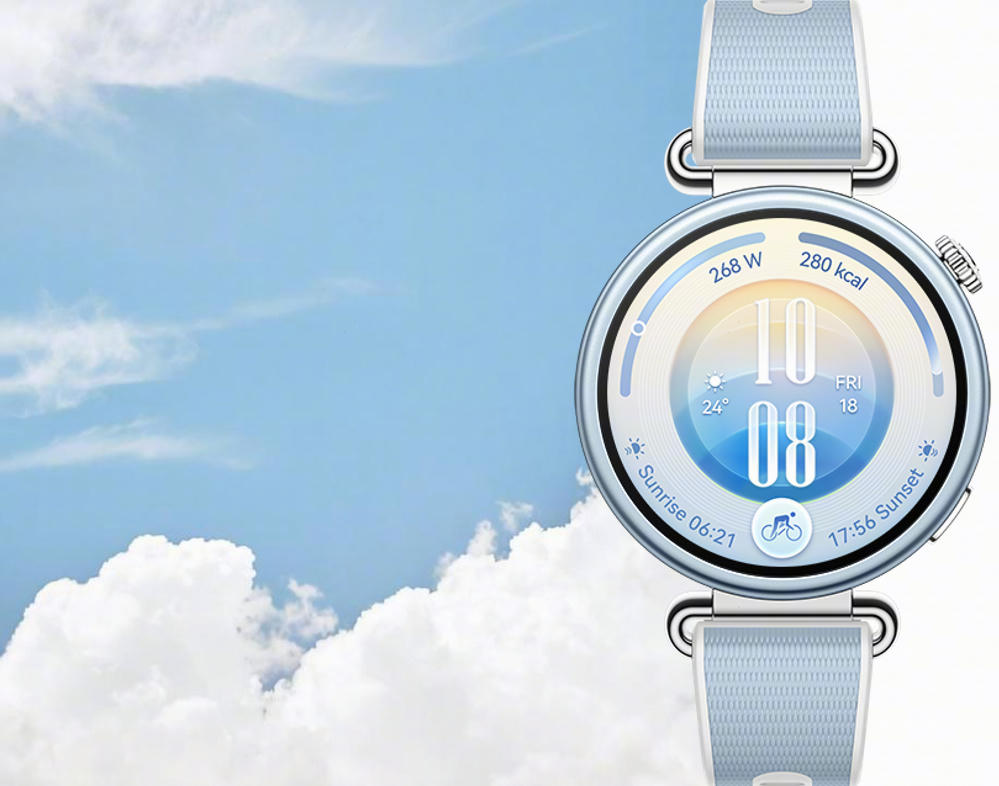
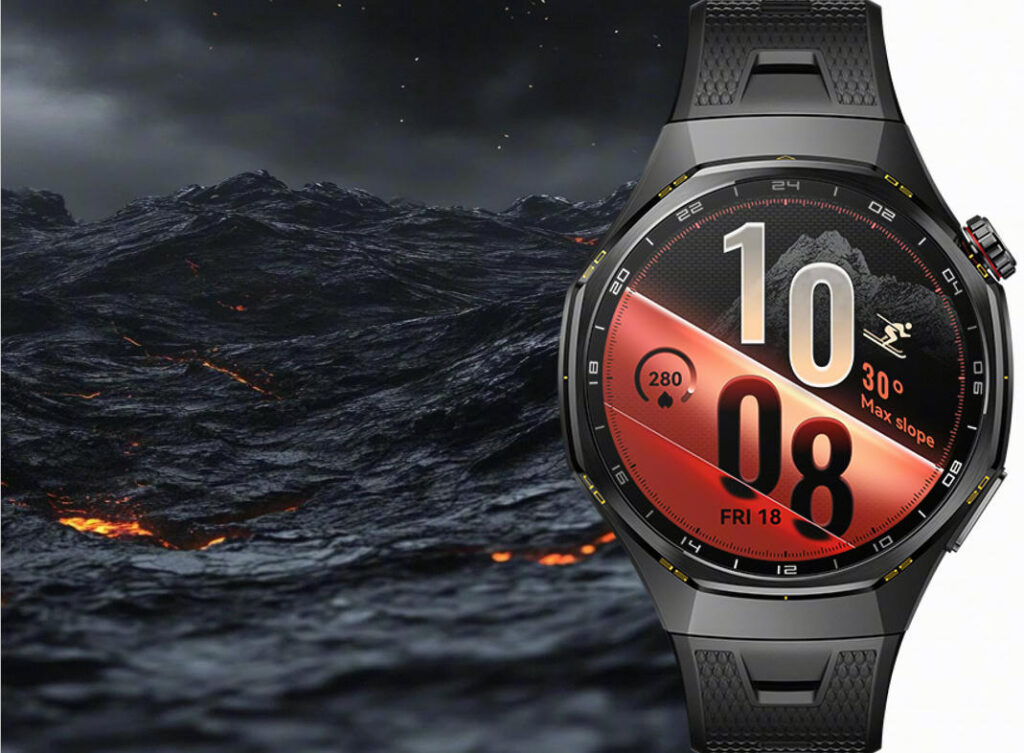
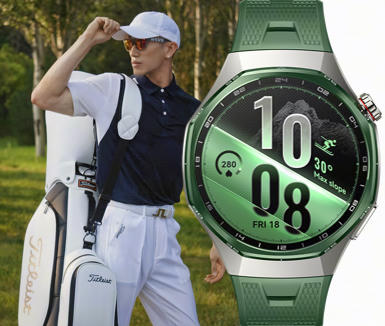
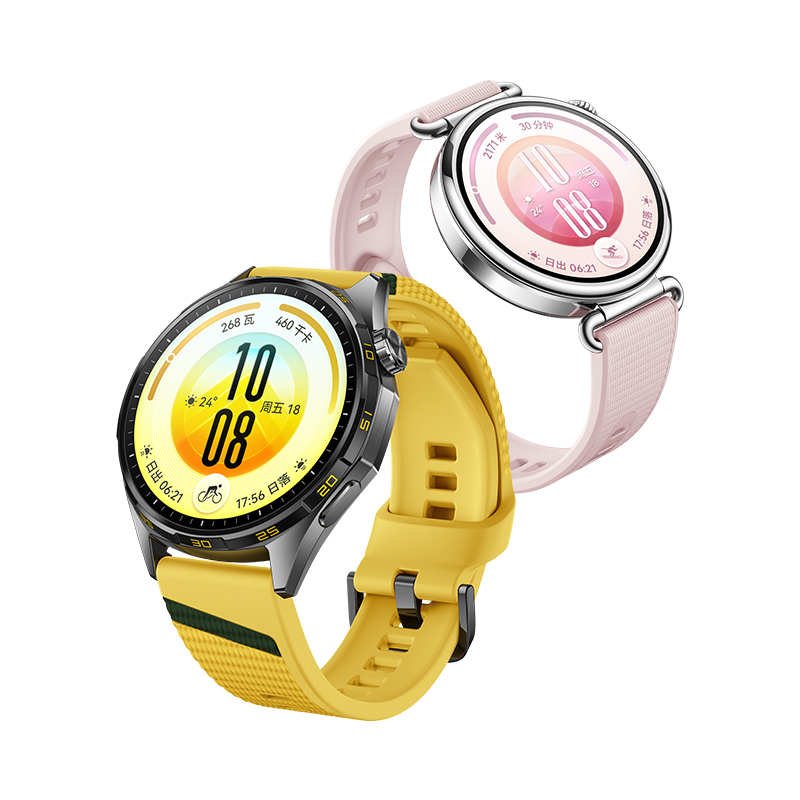
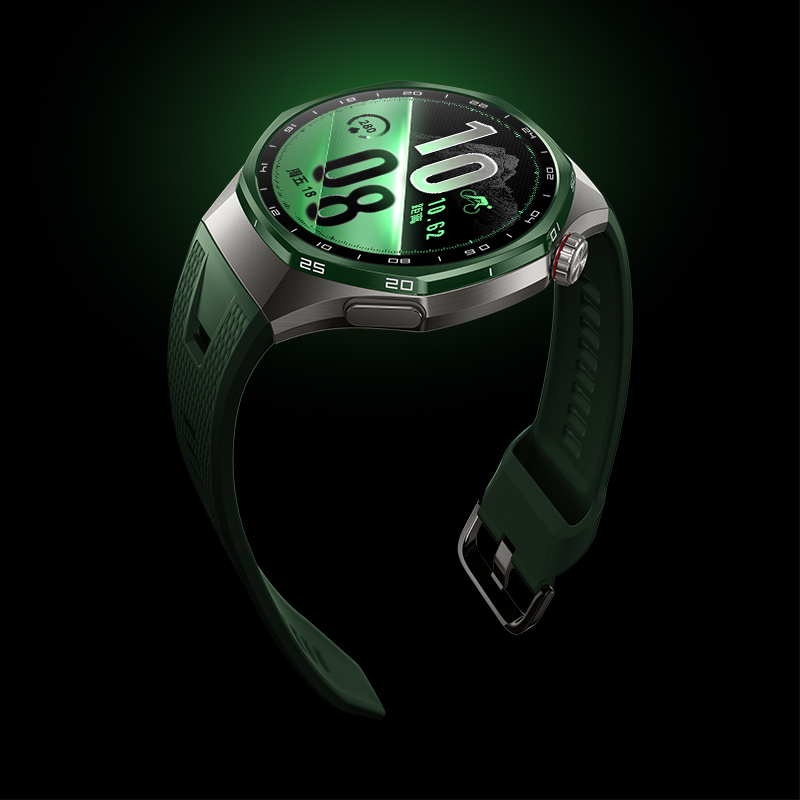
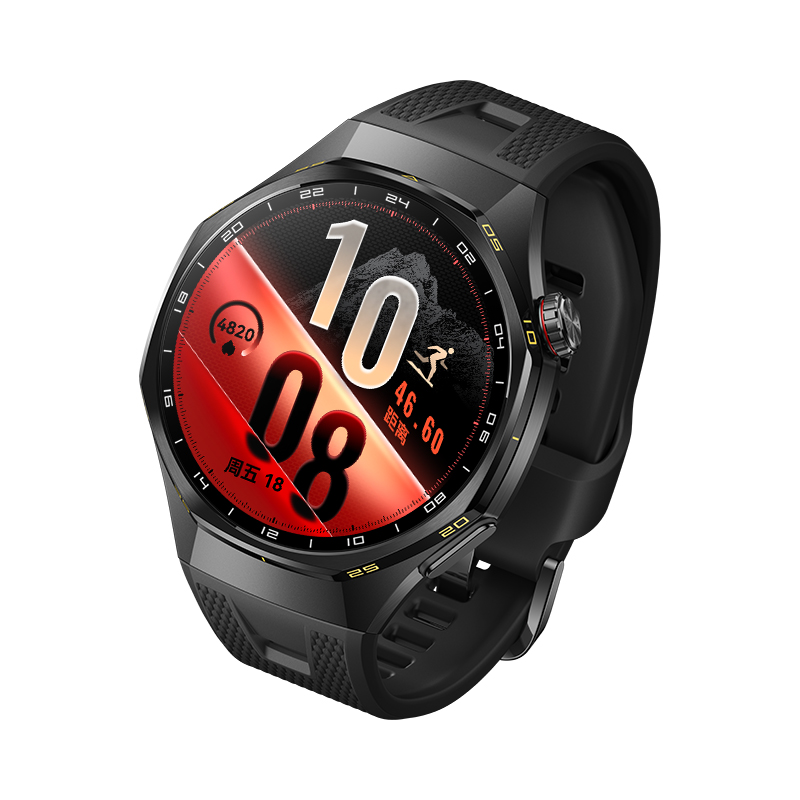
The WATCH GT 7 arrives in 46 mm and 41 mm editions. Above them sits the GT 7 Pro, which wraps a nano tech ceramic bezel around a titanium alloy middle frame and adds sapphire glass over the display. All three run a round AMOLED panel that Huawei rates at 3 000 nits, and that figure counts for far more under Highveld summer glare than it ever will in a European autumn.
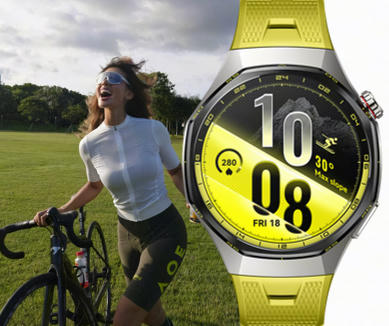
Huawei also runs its new EasyCross strap across the whole range. Colour choice matters more than usual here too: the standard GT 7 offers eight options, while the Pro sticks to three.
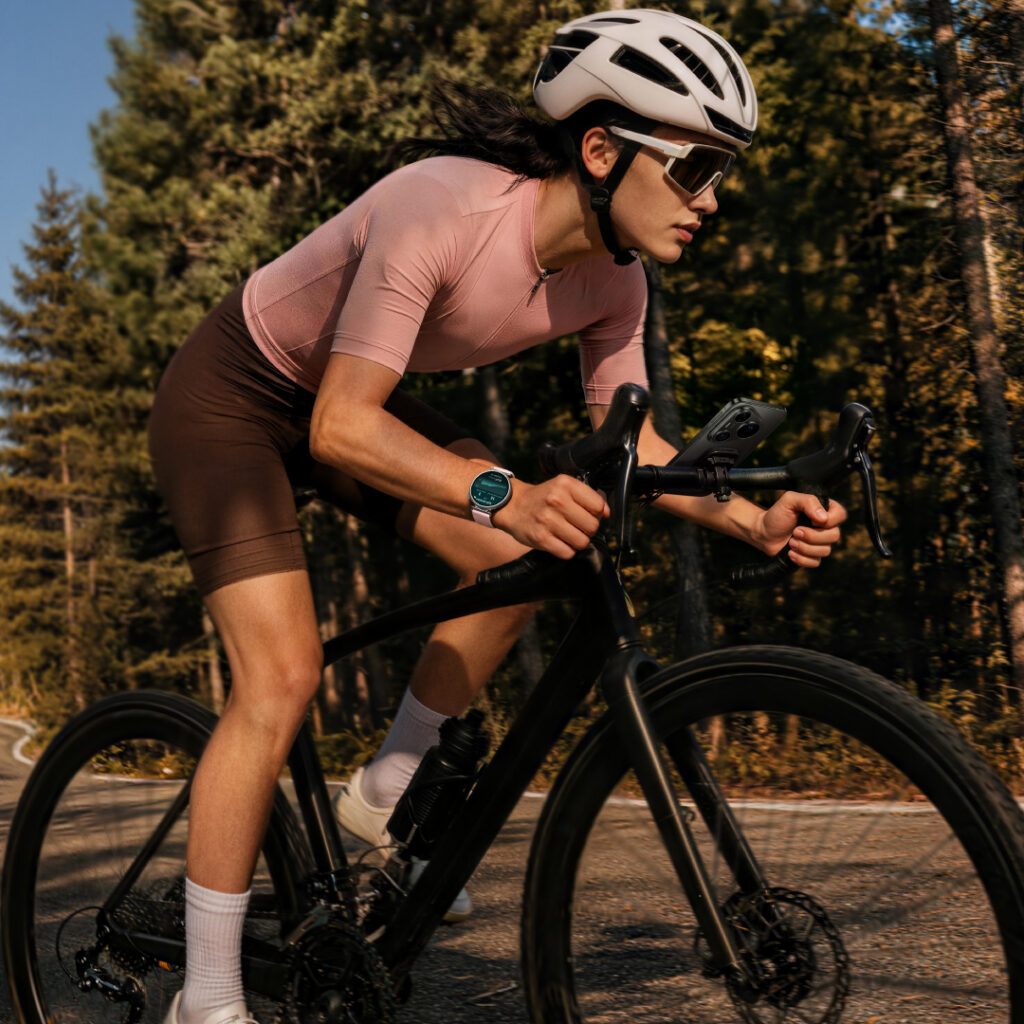
Sport is where the company pushed hardest. Huawei describes wrist based turn detection and G Force detection as industry firsts, and both target skiing, where the watch measures the force a rider generates through a carve and maps routes across more than 3 000 resorts worldwide. Cyclists, meanwhile, gain route planning for climbs, gradient alerts and sharp turn warnings, and Huawei will add AI cycling insights through a later software update.
Battery life remains the quiet advantage. Huawei rates the GT 7 at up to 21 days on light use and roughly two weeks under normal daily wear. Because most rivals still ask for a charge every day or two, that number continues to do a great deal of persuading.
The padel detail worth pausing on
A list of more than 110 sports modes hides one entry that South Africans will spot immediately. The GT 7 Pro includes a dedicated padel mode, which tracks heart rate zones, calorie burn and exertion through a session, then converts all of it into training load and recovery guidance afterwards.
Padel has become the country’s fastest growing sport in a remarkably short space of time. Courts have appeared at shopping centres, residential estates and repurposed warehouses across Johannesburg, Cape Town, Durban and Pretoria. More importantly, the sport pulled in social players, serious competitors and complete beginners at the same time, which very few codes ever manage.
A global brand building padel into a flagship watch looks like a small detail. In practice, it confirms that the sport has moved past novelty and into the category that hardware companies now design for.
Health features behave like coaching, not diagnosis
The GT 7 Series carries an upgraded Health Insights suite, including a Physical Readiness score and what Huawei calls smart health analysis. The Pro adds ECG, while the standard model leaves it out.
That distinction matters. These tools give you a clearer picture of recovery, strain and readiness, yet they do not replace a clinician. In a market where plenty of people now treat wearable health data as gospel, the difference deserves repeating.
Huawei also used Munich to push the WATCH D3, its blood pressure wearable, which now carries European CE MDR medical device certification. It sits in a different category to the GT 7. Still, it shows the direction the company wants to travel.
The tablet, the earbuds and a new phone line
Beyond the watches, Huawei introduced the MatePad Pro 12 inch, a 4.7 mm tablet weighing 454 g with a flexible OLED PaperMatte display, AI speech to text, handwriting recognition and stylus air gestures. The FreeBuds Neo Series covered audio. Finally, the nova 16s Series opened a new smartphone line that leans on portrait photography.
The WATCH 6 also came back to the European market after a year away, arriving with independent calling, navigation and payment functions, plus the company’s Health Glance and Healthy Living tools.
Why Huawei keeps winning the wrist
A broader story sits underneath this launch. Huawei has spent several years building one of the strongest wearable businesses in the world, even while its smartphone division navigated far harder conditions.
Research from Omdia put Huawei at the top of the global wearable band market in the second quarter of 2026, with 18 percent of shipments, up from 17 percent a year earlier. Apple still dominates the narrower smartwatch category. On the wider measure of what people actually strap to their wrists, however, Huawei leads.
The company built that position on a specific set of choices: long battery life ahead of app ecosystems, sports depth ahead of lifestyle gimmicks, and hardware quality at prices that undercut the obvious competition. In South Africa, where a smartwatch counts as a considered purchase rather than an impulse buy, those choices land well.
It helps, too, that Huawei watches pair with Android and iOS alike. As a result, buyers sidestep the ecosystem lock that keeps so many people loyal to one brand by default.
What the Huawei WATCH GT 7 costs in South Africa
The HUAWEI WATCH GT 7 starts at R5 999 and the GT 7 Pro at R7 999. Huawei also offers both on 36 month pricing from R169 and R219 per month respectively, and each of those deals includes a set of FreeBuds SE 2.
Buyers who ordered from the online store on 3 September picked up a bundle that included HUAWEI FreeClip 2 earphones and an extra EasyCross fluoroelastomer strap. From today, 7 September, the full range reaches retailers nationwide.
Why the Munich launch matters here
Chase the Wild doubled as a positioning exercise. Huawei is betting that the next phase of wearable growth belongs to people who use these devices outside, in motion, doing something specific, rather than to people glancing at notifications on the commute.
South Africa makes a good test case. Trail running, cycling, hiking, open water swimming and now padel have all grown into serious participation sports here, and an outdoor culture that most European markets work hard to sustain does the rest.
Reviewers will judge the WATCH GT 7 Series on the usual things: sensor accuracy, battery performance under real GPS use, and whether the software keeps improving long after launch. The ambition behind it, though, is clear enough.
Huawei is not selling a screen for your wrist. It is selling a reason to go outside and use it.