There is something deeply unsettling about watching a film that makes you forget you are watching a film. You know you are sitting comfortably, probably minding your own business, but suddenly your body is reacting as though it has been dragged into the nightmare unfolding on screen. That was the kind of experience Clayface promised me, and the beauty of it lies in how easily horror can make fiction feel uncomfortably real.
If this is James Gunn’s best work of the year, then it is because it understands something that superhero cinema sometimes forgets: you do not need to save the world to leave an audience shaken. Sometimes, all you need is a man, a tragedy and the terrifying possibility of losing everything that makes you human.
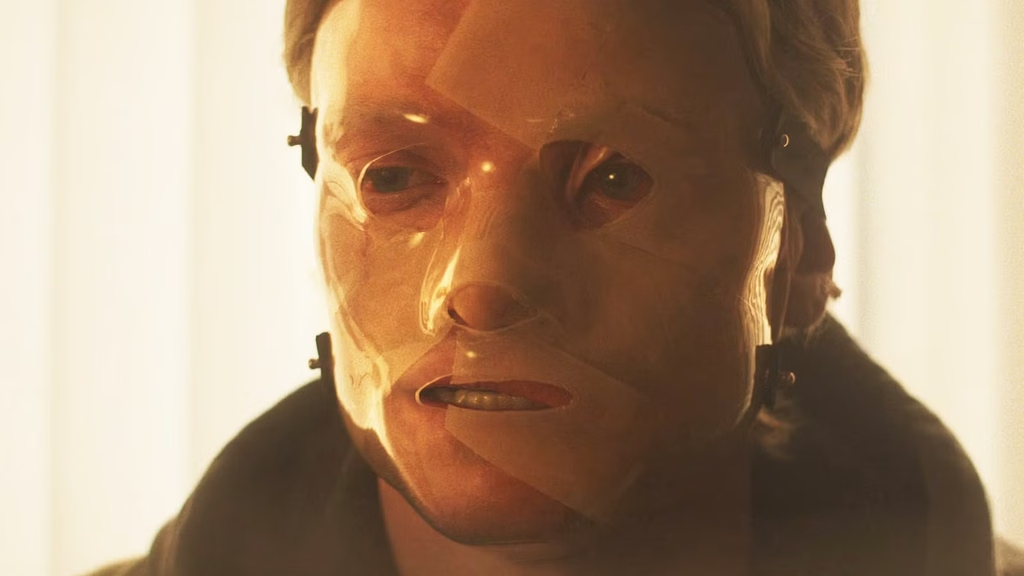
What Makes Clayface
What makes Clayface particularly fascinating is its approach to immersion. The scenes feel so convincing that there are moments when the line between what is happening on screen and what your imagination believes is happening to you begins to blur. You are not merely watching the horror unfold; you are feeling it. There is an intimacy to that discomfort, the sort that makes you shift in your seat and question why you willingly paid money to be emotionally inconvenienced. And yet, you cannot look away.
The film’s darker undertones are where the real magic lies. Clayface has always been a character with the potential to explore identity, transformation and the fragile relationship between appearance and reality. There is something tragic about a figure whose very existence challenges the idea that we are defined by what we look like. Beneath the grotesque and the unsettling sits a much more human question: how much of ourselves can we lose before we become someone, or something, else?
And the wonderful thing is that you do not need to have spent your childhood buried in comic books to appreciate the story. For those unfamiliar with the source material, the film does not feel like an exclusive club with a secret handshake. Instead, it invites you into its world and lets you find your footing. You can arrive without knowing every detail of Clayface’s comic-book history and still become completely immersed in the character’s twisted reality.
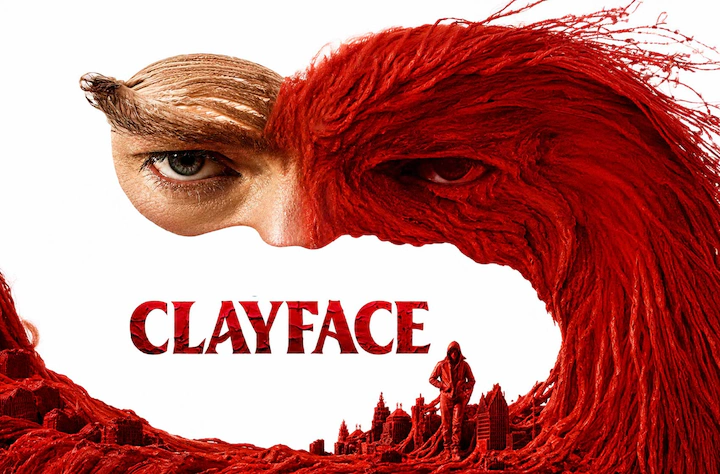
That accessibility matters. A film should reward longtime fans without punishing newcomers for not knowing the family tree of every fictional character in existence. There is a difference between building a rich universe and requiring your audience to complete homework before buying a ticket.
Then there is the twist.
What viewers need to expect
Perhaps some viewers will anticipate the direction the story takes. Perhaps the clues are there, quietly waiting for someone to connect them. But predicting a twist and experiencing it are two entirely different things. Clayface understands that the journey matters just as much as the destination. Even when you suspect where the darkness is leading, the film still has room to make the final stretch feel worth the wait.
And that climax? It is the sort of ending that makes you reconsider what you have just witnessed. It brings the film’s darker ideas into focus and leaves you sitting with the consequences rather than simply moving on to the next spectacle.
For me, that is what makes a memorable cinematic experience. It is not just about shock value, impressive visuals or how many times a film can make you jump. It is about the feeling that lingers after the credits roll, when the theatre lights come back on and reality has the audacity to continue as though nothing happened.
Clayface has the potential to be a beautiful, disturbing reminder that horror works best when there is something recognisably human hiding beneath the monstrosity. Because the most frightening transformation is not necessarily the one that changes your face. It is the one that changes who you are. And if James Gunn is willing to take us into that darkness, I am more than happy to follow him in. Just don’t ask me to look in a mirror immediately afterwards. Some of us have enough problems.