South Africa has never been short of people with ideas. We have the creators shaping our culture, the drivers keeping our cities moving and the entrepreneurs finding new ways to make a living in an economy that rarely makes things easy. But when it comes to the digital platforms connecting these people to opportunity, how much of the value actually finds its way back to them? That is the question OMN1 is bringing to the table.
The South African-built super app is preparing for its official national launch on 10 November 2026, with a proposition that goes beyond putting more services in one place. It wants to rethink who benefits from the digital economy, starting with e-hailing drivers and content creators.
Already available on Google Play and the Apple App Store following its August soft launch, OMN1 brings together transport, food delivery, creator monetisation and messaging. Its ambition is simple enough to understand, but considerably more complicated to execute: build a digital platform around the realities of South African life.
Putting drivers back in the driver’s seat
For e-hailing drivers, the promise of flexible work often comes with a less glamorous reality. Fuel prices, vehicle finance, maintenance and household expenses do not disappear simply because the next trip has arrived.
OMN1’s Move service aims to address that pressure through a driver-first payout model, designed to give drivers a significantly larger share of every fare than is typical in the market.
“Drivers are not a cost line to be optimised. They are the business,” says Livhuwani Mutavhatatsindi, OMN1’s chief executive officer.
It is a statement that cuts through the usual technology-industry language. An app can have a sleek interface and impressive features, but if the person doing the driving cannot make a sustainable living, something is fundamentally wrong with the model.
OMN1 says it has already conducted in-person driver onboarding in Johannesburg. Its Move service currently operates across Midrand, Sandton, Rosebank and the Johannesburg CBD and inner city, with further expansion planned after the national launch.
Whether this approach can deliver lasting financial benefits for drivers will ultimately depend on how the model performs in practice. Still, putting driver earnings at the centre of the conversation is a meaningful place to begin.
From followers to actual income
Then there is the creator economy, where OMN1 is asking another important question: what happens when the people producing the culture can earn from it, too?
South Africa is rich in creative talent. From township storytellers and emerging filmmakers to digital personalities building communities on social media, creators are influencing conversations, trends and consumer behaviour every day. Yet building an audience does not always translate into earning a living.
Through OMN1 Hub and its OMN1 Creators Fund, the platform intends to help creators earn from content based on how their work performs. The programme is designed to be accessible to everyday South Africans, including those with modest followings who may not have access to traditional brand partnerships.
“The people producing the culture everyone else monetises are the ones getting paid last,” says Mutavhatatsindi.
His example is particularly telling: a creator in Tembisa or Khayelitsha should have an opportunity to earn from their work without waiting for someone influential to discover them.
For a country where creativity is often abundant but financial opportunities can be uneven, this is an idea worth watching. The real test, of course, will be the programme’s eligibility requirements, earning potential and ability to turn online engagement into consistent income. Those details will matter just as much as the promise.
One app, several parts of everyday life
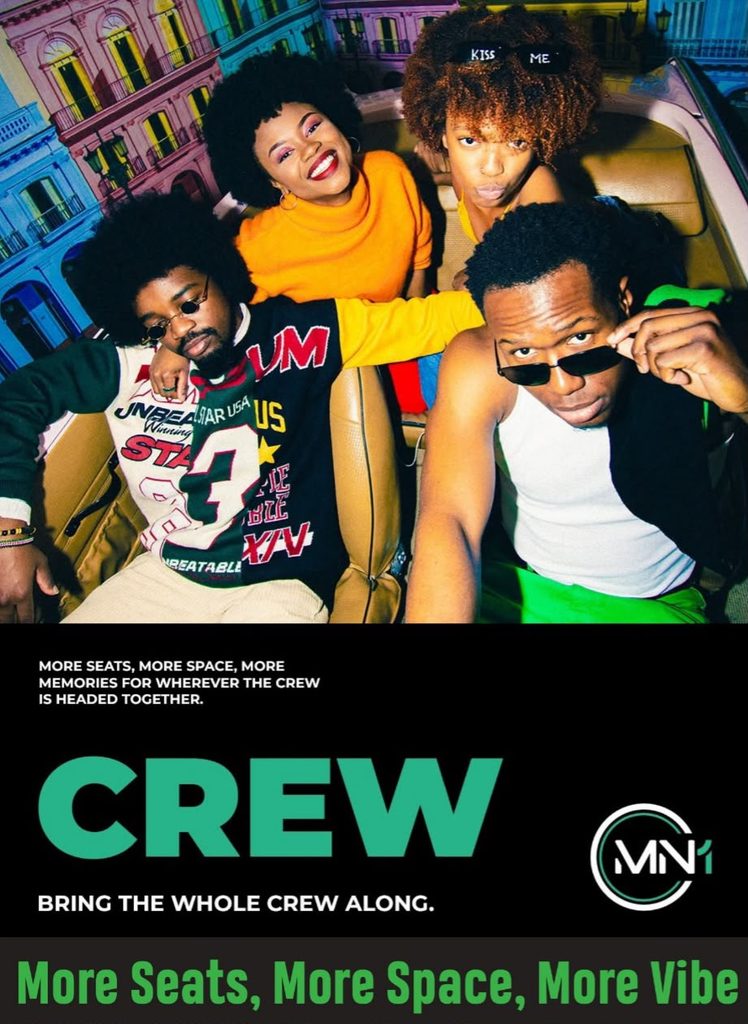
OMN1’s wider offering brings these ideas together in a single platform. Move handles e-hailing, OMN1 Dine focuses on food delivery, OMN1 Hub houses the creator ecosystem, and Connect provides messaging.
The thinking comes from a familiar habit: opening one app to get somewhere, another to order lunch and several more to communicate, share content and build communities.
Bringing those services together could offer convenience for consumers while creating new connections between drivers, creators, businesses and users. But convenience alone will not be enough. Reliability, affordability, user experience and trust will determine whether people make the switch.
Can South Africa build its own digital future?
OMN1’s national launch represents more than another entry into an already competitive technology market. It raises a bigger question about local innovation and ownership: can South Africa build digital platforms that understand the economic realities of the people using them?
“We built OMN1 in South Africa, for South African conditions,” says Mutavhatatsindi, emphasising the company’s intention to create a platform shaped by local needs.
That ambition deserves attention, particularly in an economy where digital platforms increasingly influence how people work, spend and earn. But ambition must eventually meet accountability. Fair payouts need to translate into real take-home earnings, creator programmes need to deliver meaningful rewards, and an all-in-one app needs to work consistently enough to earn people’s trust.
OMN1 officially launches nationally on 10 November in Johannesburg. The next chapter will be about showing South Africans what this model can actually deliver.
Because the future of the digital economy should not only be measured by how many people download an app. It should also be measured by how many people can build something meaningful from it.
And perhaps that is the most interesting part of OMN1’s proposition: the idea that the people powering the platform should have a greater stake in its success.