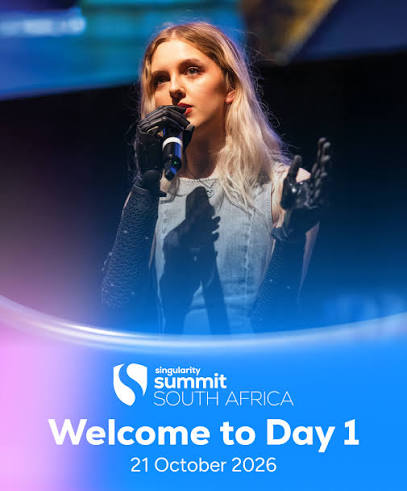
What if technology’s greatest achievement is not making machines smarter, but helping people reclaim possibilities they were once told they could not have? It is a question worth sitting with, particularly in a world racing towards artificial intelligence, robotics and a future that sometimes feels as though it has escaped the pages of science fiction. At the Singularity South Africa Summit 2026, British technology advocate Tilly Lockey brought that conversation back to something deeply human.
Lockey’s story is not simply about bionic arms. It is about identity, independence and what happens when technology moves beyond the laboratory to become part of someone’s everyday life.
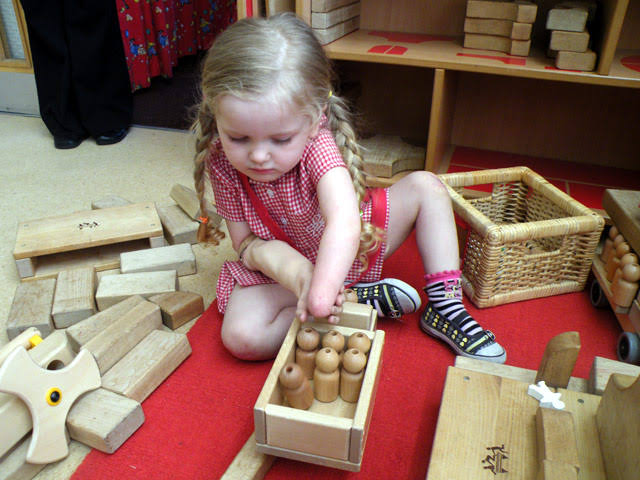
Diagnosed with meningococcal septicaemia at just 15 months old, Lockey lost both hands as a young child. Her journey would eventually lead her to Open Bionics, where she became an ambassador for its Hero Arm technology and helped demonstrate how prosthetics could evolve to offer greater functionality and personal expression.
Bionic Beginnings
At the Summit, Lockey returned to the stage seven years after her first appearance. Her session, I Want to Be Iron Man, explored the remarkable possibilities emerging at the intersection of human potential and technology.
And perhaps that is where her story becomes particularly relevant.
We often discuss artificial intelligence as though it belongs exclusively to boardrooms, software developers and billion-rand investment strategies. We debate whether machines will replace jobs, transform industries or fundamentally change the way we live. Those questions matter. But Lockey’s experience reminds us that technological progress also has a profoundly personal side.
Sometimes, innovation is not about making life faster. Sometimes, it is about making life more accessible.
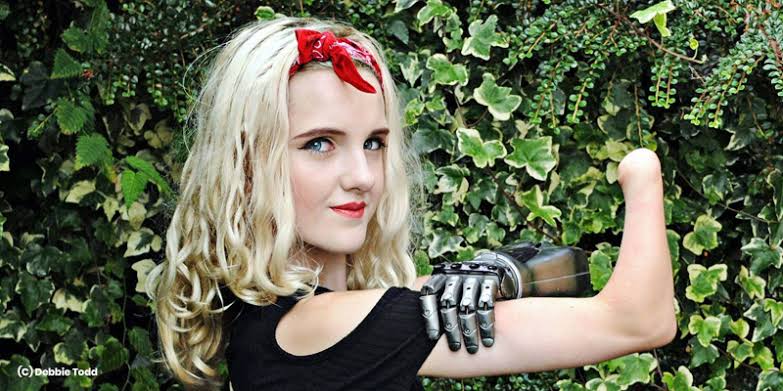
Her experience with increasingly advanced bionic arms illustrates how the people who use technology should help shape its development. The conversation cannot begin and end with what engineers can build. It must also consider what people actually need, how they want to live and what independence means to them.
That distinction matters as artificial intelligence becomes more deeply integrated into assistive technology. More intuitive systems could eventually allow prosthetics to respond more naturally to a user’s intentions, potentially making everyday interactions feel less mechanical and more seamless. These possibilities are exciting, although their real-world benefits will depend on continued research, thoughtful design and accessibility.
There is also something refreshing about Lockey’s approach to the technology itself. Bionic limbs need not be hidden or designed merely to imitate what has been lost. They can become an expression of individuality, style and identity. Technology, in this sense, does not have to erase difference to create possibility.
For Persona Magazine Africa, this is where the conversation extends beyond innovation into culture. The future is not only something we manufacture; it is something we experience, interpret and make our own.
Lockey’s Expierence
Lockey’s appearance also offered a meaningful reminder that the people closest to a challenge often have valuable insights into how it should be solved. When lived experience informs innovation, technology has a better chance of serving the people it is meant to empower.
That lesson resonates far beyond prosthetics. It applies to healthcare, education, mobility and the many other areas where emerging technologies promise to change lives.
The question, then, is not simply how far technology can take us. It is whether we are building a future that makes room for more people to participate in it.
At Singularity South Africa Summit 2026, Tilly Lockey helped bring that question into focus. Her story offered a perspective on progress that no algorithm can fully capture: the value of innovation is not measured only by what it can do, but by what it makes possible for a human being.
And if the future is going to be as extraordinary as we imagine, perhaps we should start by ensuring that it is extraordinary for people, too.